
Blog
Protective Barrier Wipes: What Caregivers Should Know

Protective Barrier Wipes: What Caregivers Should Know*
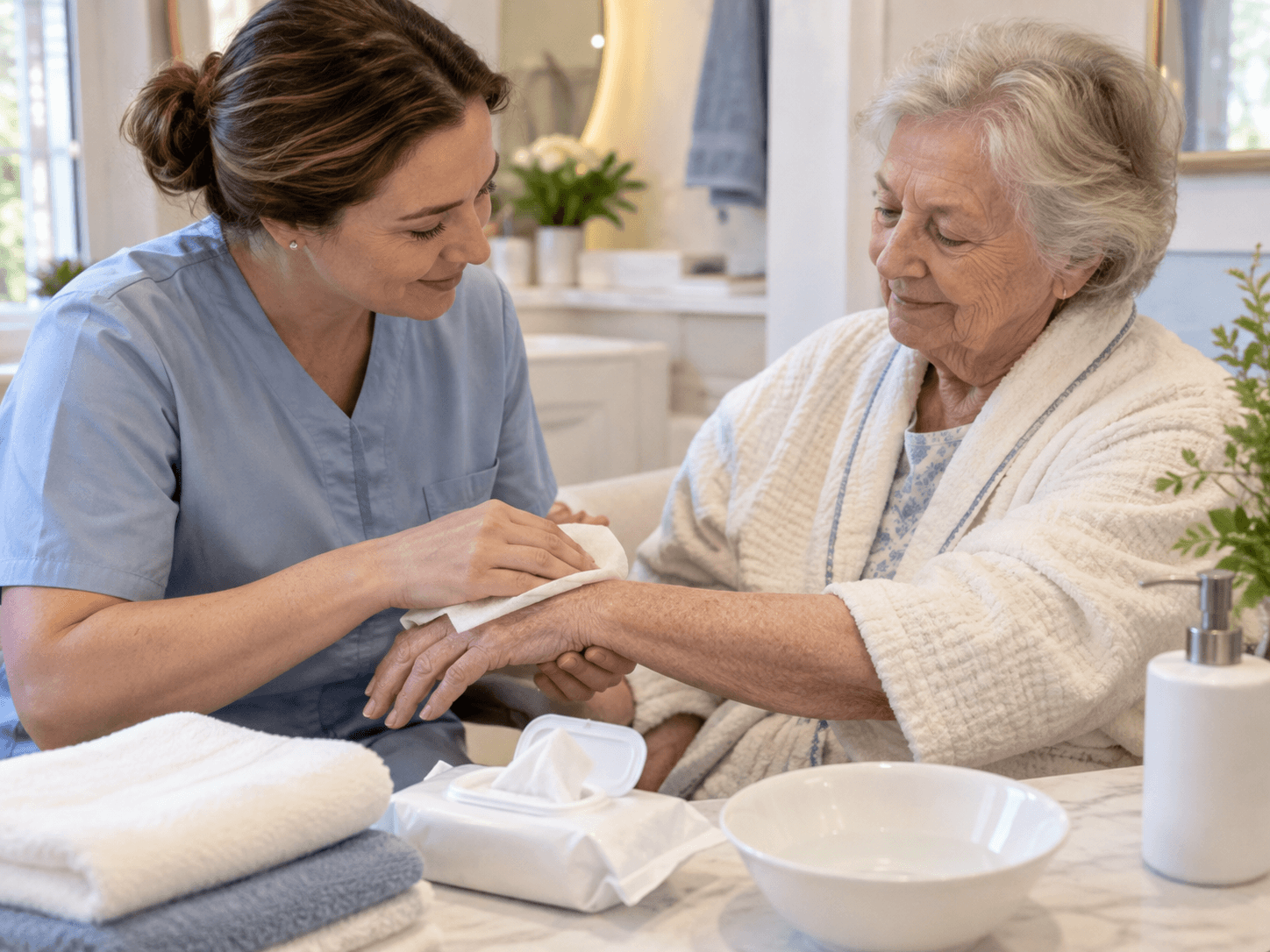
Protective barrier wipes can be useful when caregivers need an extra skin-protection step during daily care. Seniors and older adults may have sensitive skin that becomes irritated from moisture, urine, stool, sweat, repeated wiping, or adhesive products. When skin stays damp for too long, it can become red, sore, itchy, or uncomfortable. Protective barrier wipes help create a thin protective layer on the skin after cleaning and drying, which can help reduce direct contact with moisture and support better comfort during care routines.
Barrier wipes are not the same as cleansing wipes. Cleansing wipes are used to clean the skin, while protective barrier wipes are usually used after the skin is already clean and dry. This difference is important. If a caregiver applies a barrier wipe over wet or soiled skin, it may trap moisture or residue against the skin. For best results, caregivers should first clean the area gently, pat the skin dry, and then use the barrier wipe according to the product label.
One common time to use protective barrier wipes is during incontinence care. Seniors who use adult diapers, pull-ups, pads, or underpads may have skin that is exposed to urine or stool during the day or night. After each wet or soiled episode, caregivers should clean the skin properly before applying a fresh product. The Cardinal Health Essentials Protective Barrier Wipes, 1-1/4 x 3 can be useful when caregivers need a simple barrier step for areas exposed to moisture and repeated wiping.
For seniors with sensitive skin, the Esenta Gentle Sting-Free Skin Barrier Wipes can also be helpful. Sting-free barrier wipes may be preferred when skin feels delicate or easily irritated. This type of product can support daily skin protection without adding a heavy or messy layer. Caregivers should use it only as directed and should avoid applying too much product, especially in areas where absorbent products need to fit closely.
Another barrier option is the Skin Barrier Applicator Safe n Simple No-Sting 60% / 20% Strength Purified Water / Polyvinylpyrrolidone / Glycerin Individual Packet Sterile. This type of product may be useful when caregivers need a controlled applicator for sensitive skin areas. No-sting barrier products can be helpful around areas affected by moisture, friction, or adhesive use.
Protective barrier wipes may also be useful during frequent diaper changes. When a person needs multiple changes each day, the skin can become irritated from wiping, moisture, and product contact. For seniors who need tab-style protection, the Prevail Daily Adult Diapers with Tabs, Maximum can support direct body protection during incontinence care. Barrier wipes can be used as part of the skin-care routine after cleaning and before applying a fresh diaper, when appropriate.
For heavier incontinence needs, the Attends Adult Diapers with Tabs, Heavy can help manage leakage when stronger protection is needed. Even with heavy-absorbency products, caregivers should still check the skin often and change the product when wet or soiled. Barrier wipes may help protect areas that are exposed to moisture more often, especially around the buttocks, groin, inner thighs, and skin folds.
Protective barrier wipes can also be helpful when underpads are used for bed or chair protection. Underpads protect surfaces, but they do not replace proper skin care. If a senior spends long hours in bed or seated on a chair, moisture can still affect the skin. The McKesson Super Underpads, Moderate Absorbency can help protect bedding and furniture from leaks, while barrier wipes can support skin protection after the skin has been cleaned and dried.
For heavier leakage or overnight surface protection, the Presto Underpads, Heavy Absorbency can be useful for beds, recliners, wheelchairs, and changing surfaces. A heavy-absorbency underpad can reduce laundry and protect furniture, but caregivers should still replace it when wet or soiled. Leaving moisture near the skin for too long may increase odor, discomfort, and irritation.
Before using a protective barrier wipe, caregivers should clean the skin gently. The Abena Pre-Moistened Cleansing Wipes can be useful for diaper changes, bedside cleaning, and quick hygiene routines. These wipes help remove urine, stool residue, sweat, and odor when a full bath or shower is not possible. After cleaning, the skin should be patted dry before applying any barrier product.
For gentle daily cleansing, the Attends Personal Wipes with Aloe, Unscented can also support caregiver routines. Unscented wipes may be preferred for seniors with sensitive skin because strong fragrance can bother some users. Caregivers should avoid harsh rubbing and use a fresh wipe when needed, especially during perineal care.
For larger cleanup needs, the Cardinal Personal Cleansing Cloth, Non-flushable can be useful. Larger cleansing cloths may help caregivers clean more area with fewer wipes. This can be helpful during heavier incontinence episodes or bedside care. Because this product is non-flushable, used cloths should be placed in the trash and not flushed.
A no-rinse cleanser can also be helpful before applying a barrier product. The 3M Cavilon No Rinse Skin Cleanser, Floral Scent, 8 oz can support skin cleaning when a full rinse is difficult. No-rinse cleansers may be useful for seniors who cannot bathe often or caregivers who need to clean the skin at the bedside. The skin should still be dried gently before applying barrier wipes or a new absorbent product.
Disposable gloves are also important during barrier wipe use and incontinence care. The Exam Glove McKesson Confiderm 3.0 Large NonSterile Nitrile Standard Cuff Length Textured Fingertips Blue Chemo Tested Fentanyl Tested can help caregivers reduce direct contact with urine, stool, used wipes, diapers, and underpads. Gloves should be changed between dirty and clean tasks to reduce contamination.
Barrier wipes may also be useful around areas affected by adhesive products. Seniors who use wound dressings, tapes, ostomy supplies, or other adhesive products may experience irritation from repeated removal. A protective barrier wipe may help protect surrounding skin before adhesive products are applied, depending on the product instructions. Caregivers should make sure the barrier product does not interfere with adhesion and should follow healthcare guidance.
Caregivers should not use protective barrier wipes on every skin issue without checking the situation. If the skin is open, bleeding, infected, severely irritated, painful, or worsening, a healthcare professional should be contacted. Barrier wipes may help protect skin from moisture and friction, but they are not a treatment for serious skin breakdown or infection.
A simple routine can make barrier wipes easier to use. First, remove the wet or soiled diaper, pad, pull-up, or underpad. Next, clean the skin gently with wipes, washcloths, or cleanser. Then pat the skin dry completely. After that, apply the protective barrier wipe only where needed and allow it to dry according to the product label. Finally, put on a clean absorbent product and make sure the fit is secure but not too tight.
Protective barrier wipes can be especially helpful for seniors who have frequent leakage, sensitive skin, limited mobility, long hours in bed, or repeated diaper changes. They can also be useful when caregivers notice mild redness from moisture or friction. However, they work best when used together with regular changes, proper cleansing, careful drying, and the right absorbent product.
Caregivers should keep barrier wipes and related supplies organized near the bedside or bathroom. A good care station may include cleansing wipes, protective barrier wipes, adult diapers, pull-ups, pads, underpads, gloves, cleanser, disposal bags, and clean clothing. Keeping supplies nearby can make care faster and reduce stress during urgent changes.
Protective barrier wipes can be an important part of daily incontinence care and skin protection. Products like the Cardinal Health Essentials Protective Barrier Wipes, 1-1/4 x 3, Esenta Gentle Sting-Free Skin Barrier Wipes, Skin Barrier Applicator Safe n Simple No-Sting 60% / 20% Strength Purified Water / Polyvinylpyrrolidone / Glycerin Individual Packet Sterile, Abena Pre-Moistened Cleansing Wipes, Attends Personal Wipes with Aloe, Unscented, Cardinal Personal Cleansing Cloth, Non-flushable, 3M Cavilon No Rinse Skin Cleanser, Floral Scent, 8 oz, Prevail Daily Adult Diapers with Tabs, Maximum, Attends Adult Diapers with Tabs, Heavy, McKesson Super Underpads, Moderate Absorbency, Presto Underpads, Heavy Absorbency, and Exam Glove McKesson Confiderm 3.0 Large NonSterile Nitrile Standard Cuff Length Textured Fingertips Blue Chemo Tested Fentanyl Tested can help caregivers build a cleaner and more comfortable skin-care routine. Explore barrier wipes, cleansing wipes, adult diapers, underpads, gloves, and related incontinence care supplies at Zushki to support daily skin protection for seniors.
*Medical Disclaimer ( Important) :
The information provided in this article is for general educational and informational purposes only and is not intended as medical advice, diagnosis, or treatment. Always seek the advice of your physician or another qualified healthcare provider with any questions you may have regarding a medical condition or before using any products, medication, medical device, or healthcare product. Never disregard professional medical advice or delay seeking it because of something you have read on this website. Products offered by Zushki.com are intended to be used in accordance with their labeling and the manufacturer’s instructions. Individual needs and medical conditions vary, and not all products are appropriate for every person. If you believe you are experiencing a medical emergency, call 911 or contact your local emergency services immediately.