
Blog
How to protect sensitive skin during wound care?

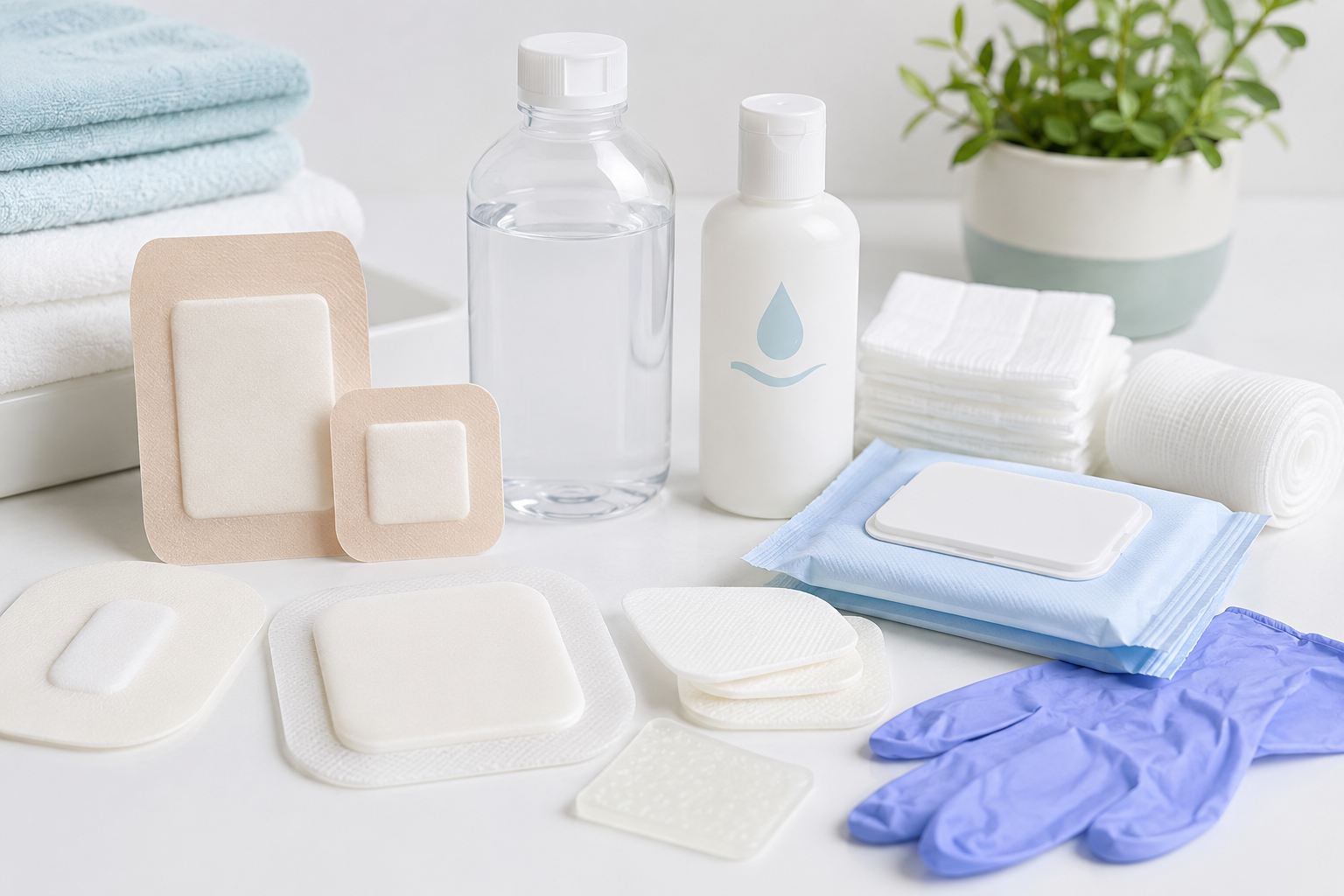
How to protect sensitive skin during wound care*
Protecting sensitive skin during wound care is important for comfort, healing support, and daily home care. Many people who need wound dressings also have fragile, dry, irritated, or easily damaged skin. This is common among seniors, bedridden patients, people with limited mobility, and anyone who needs frequent dressing changes. When the surrounding skin is not protected properly, it may become red, sore, itchy, or damaged from moisture, tape, adhesive, friction, or repeated cleaning.
The skin around a wound is just as important as the wound itself. If the surrounding skin becomes irritated, it can make dressing changes more painful and may make it harder for dressings to stay in place. Caregivers should always check the wound area and nearby skin before applying a new dressing. Look for redness, swelling, dryness, peeling, drainage, odor, or any sign that the skin is getting worse. Serious wounds, infected wounds, surgical wounds, deep wounds, or wounds that are not healing properly should always be checked by a healthcare professional.
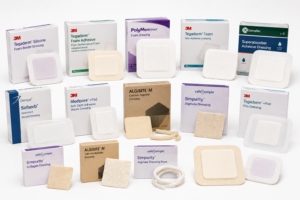
One of the best ways to protect sensitive skin is to choose the right dressing. A dressing should cover the wound properly without pulling too tightly on the surrounding skin. For soft adhesive coverage, the 3M Medipore +Pad Soft Cloth Adhesive Wound Dressing, 6 x 6 can be useful for home-care routines where comfort and secure placement are important. Soft cloth adhesive dressings may feel gentler than some stronger adhesive dressings, especially when the skin needs regular care.
For narrow or longer wound areas, the 3M Medipore +Pad Soft Cloth Adhesive Wound Dressing, 3.5 x 8 can be a practical option. Choosing the correct size helps reduce unnecessary contact with healthy skin. A dressing that is too small may not protect the wound properly, while a dressing that is too large may stick to more skin than needed and cause discomfort during removal.
Moisture control is another important part of protecting sensitive skin. If wound drainage stays on the surrounding skin for too long, the skin may become soft, irritated, or damaged. For wounds with more drainage, the ALGISITE M Calcium Alginate Wound Dressing, 6 x 8 can help support absorbent wound care when recommended by a healthcare professional. Alginate dressings are often used for wounds with moderate to heavier drainage, but they should be used only when they match the wound-care plan.
For smaller wound areas that need alginate support, the ALGISITE M Calcium Alginate Wound Dressing, 2 x 2 may be useful. A smaller dressing can help caregivers cover the needed area without adding too much material around the wound. This can be helpful when trying to protect fragile surrounding skin from extra adhesive, pressure, or friction.
Another option for moisture management is the Safe n Simple Simpurity Alginate Wound Dressing, 4 x 4. Alginate dressings can support selected wound-care routines where absorbency is needed. Caregivers should follow healthcare instructions when using this type of dressing because not every wound needs alginate coverage.
For wound spaces or areas that need rope-style dressing support, the Safe n Simple Simpurity Alginate Wound Dressing Rope, 12 can be considered only when directed by a healthcare professional. Rope dressings are different from flat dressings and should not be used casually. Using the wrong dressing type can cause discomfort or make wound care harder.
For wounds with heavier drainage, the ConvaTec Superabsorber Adhesive Wound Dressing can help manage excess fluid and reduce leakage through the dressing. Keeping drainage controlled can help protect surrounding skin from moisture-related irritation. This can be especially helpful in home care when frequent leakage creates discomfort, odor, or extra cleanup.
For absorbent wound coverage, the Deroyal Sofsorb Absorbent Wound Dressing, 4 x 6 can support wound-care routines that need both coverage and fluid management. Absorbent dressings can help keep the wound covered while reducing the amount of moisture that reaches the surrounding skin. Caregivers should change the dressing when it becomes wet, loose, dirty, or no longer secure.
Foam dressings can also help protect sensitive skin by providing cushioning. The PolyMem Max Foam Wound Dressing with Adhesive Border, Sterile, 6 x 6 can be helpful when the wound area needs protection from friction, rubbing, or pressure. Foam dressings may be useful for people who sit, rest, or move in ways that cause the wound area to rub against clothing, bedding, or support surfaces.
For selected wound-care needs, the Safe n Simple Simpurity Collagen Wound Dressing, 2 x 2 may be considered when recommended by a healthcare professional. Collagen dressings are not the same as basic adhesive dressings, so caregivers should use them only when they are part of the wound-care plan.
Cleaning the wound and surrounding skin gently is also important. Harsh rubbing can damage fragile skin and make irritation worse. Caregivers should use gentle cleansing methods according to healthcare guidance. Sterile water or saline irrigation solution may be used when recommended for wound cleansing. The skin around the wound should be dried carefully before applying a dressing, because adhesive may not stick well to wet skin.
Caregivers should also be careful when removing dressings. Pulling quickly can damage sensitive skin, especially if the dressing is strongly attached. It is better to remove the dressing slowly and support the skin while lifting the edge. If removal is painful, difficult, or causing skin tears, a healthcare professional should be asked for advice. Do not forcefully remove a dressing that seems stuck to the wound.
To protect sensitive skin, caregivers should also avoid changing dressings more often than needed unless the dressing is wet, dirty, loose, or directed by a healthcare provider. Too many dressing changes can irritate the skin because of repeated adhesive removal and cleaning. At the same time, leaving a wet or soiled dressing in place for too long can also damage the skin. The best schedule depends on the wound condition, dressing type, drainage level, and medical guidance.
Keeping supplies ready can make wound care safer and more comfortable. Caregivers may need gloves, gauze, wound cleanser, sterile water or saline solution, absorbent dressings, foam dressings, medical tape, underpads, and disposal bags. A clean setup helps reduce contamination and makes dressing changes faster. Underpads can also protect beds, chairs, and clothing during wound care.
Sensitive skin needs extra care during every step of wound management. Caregivers should choose dressings that match the wound size, drainage level, and skin condition. Products like the 3M Medipore +Pad Soft Cloth Adhesive Wound Dressing, 6 x 6, 3M Medipore +Pad Soft Cloth Adhesive Wound Dressing, 3.5 x 8, ALGISITE M Calcium Alginate Wound Dressing, 6 x 8, ALGISITE M Calcium Alginate Wound Dressing, 2 x 2, Safe n Simple Simpurity Alginate Wound Dressing, 4 x 4, Safe n Simple Simpurity Alginate Wound Dressing Rope, 12, ConvaTec Superabsorber Adhesive Wound Dressing, Deroyal Sofsorb Absorbent Wound Dressing, 4 x 6, PolyMem Max Foam Wound Dressing with Adhesive Border, Sterile, 6 x 6, and Safe n Simple Simpurity Collagen Wound Dressing, 2 x 2 can support different wound-care needs. Explore wound dressings and related wound-care supplies at Zushki to find dependable products for sensitive skin protection, home care, and caregiver support.
*Medical Disclaimer ( Important) :
The information provided in this article is for general educational and informational purposes only and is not intended as medical advice, diagnosis, or treatment. Always seek the advice of your physician or another qualified healthcare provider with any questions you may have regarding a medical condition or before using any products, medication, medical device, or healthcare product. Never disregard professional medical advice or delay seeking it because of something you have read on this website.
Products offered by Zushki.com are intended to be used in accordance with their labeling and the manufacturer’s instructions. Individual needs and medical conditions vary, and not all products are appropriate for every person. If you believe you are experiencing a medical emergency, call 911 or contact your local emergency services immediately.